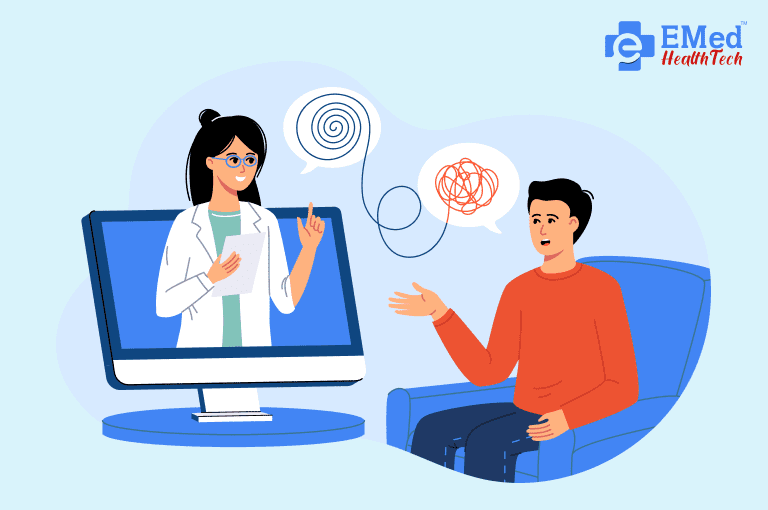
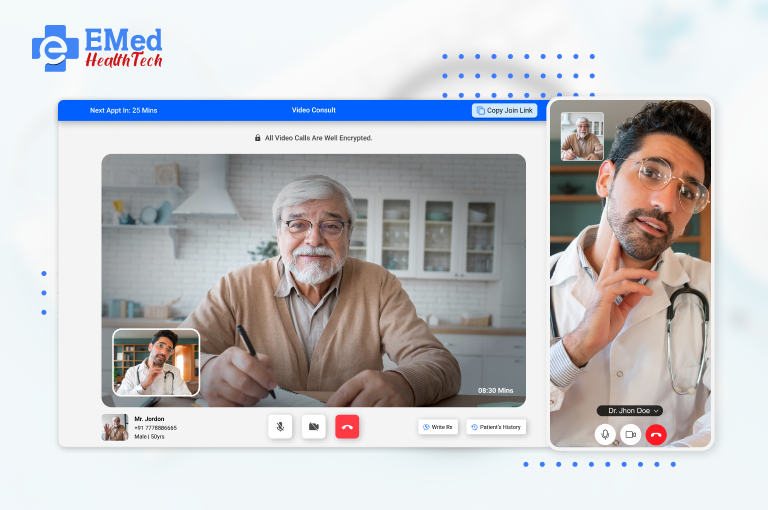
Telemedicine has revolutionized healthcare by making remote meetings more open and productive. As more healthcare providers embrace virtual care, choosing a telemedicine platform becomes basic to guarantee consistent communication, administrative compliance, and improved patient experience.
Selecting telemedicine software isn’t just about video consultations—it’s almost integration, security, convenience, and adaptability. With different platforms accessible, finding the best telehealth solution requires a cautious assessment of key variables.
Key Considerations When Choosing a Telemedicine Platform
1. Compliance and Security
Patient confidentiality is a topmost priority. The stage you select must comply with industry controls to defend delicate information. Explore for:
HIPAA Compliance (for U.S. practices) or GDPR Compliance (for European suppliers)
End-to-end encryption for video discussions and quiet records
Multi-factor authentication (MFA) for secure logins
Regular Program Updates to anticipate cybersecurity dangers
2. User Experience and Accessibility
It is essential to create a telemedicine platform that is user-friendly for doctors as well as for patients. The following are a few points to look for when choosing a telemedicine platform:
Intuitive interface with easy navigation
Compatibility with mobile, tablet, and desktop devices
Quick onboarding and minimal learning curve
Seamless appointment scheduling and patient check-ins
3. Integration with Existing Systems
Your telemedicine software should integrate seamlessly with:
HD Video & Audio Quality – Ensures smooth and professional virtual consultations
Screen Sharing & File Uploads – Facilitates better diagnosis with medical images and documents
Automated Scheduling & Reminders – Reduces no-shows with SMS and email notifications
Multi-User Support – Enables group consultations and specialist collaborations
Customizable Features – Tailored templates and functionalities for different specialities
A platform with these highlights upgrades patient engagement, streamlines operations, and progresses healthcare results.
Evaluating the Right Fit for Your Practice
Distinctive healthcare providers have interesting needs, and choosing a telemedicine platform ought to be based on practice estimates and specialization.
Small vs. Large Practices
Small clinics: Need affordable, easy-to-use platforms with basic functionalities.
Larger healthcare organizations: Require multi-provider support, scalability, and full EHR integration.
Specialty-Specific Requirements
Mental Health Providers: Require secure messaging, therapy note-taking, and video session recording.
Dermatologists: Need high-resolution image uploads for remote diagnosis.
Primary Care Physicians: Benefit from lab integration for sharing test results digitally.
Scalability for Future Growth
When choosing a telemedicine platform, one should support the practice’s future expansion by:
Accommodating growing patient volumes
Enabling multiple healthcare providers to join the platform
Offering customizable workflows as your practice evolves
Cost Considerations: Finding the Right Balance
Investing in telemedicine software involves different pricing models. Consider:
Subscription-Based Pricing: Monthly or yearly plans covering various features
Pay-Per-Use Model: Costs depend on the number of consultations conducted
Hidden Fees: Be careful for additional charges related to information storage, integrative, or client support
While upfront costs could appear tall, the long-term benefits exceed the investment—higher income, improved patient retention, and operational productivity.
Customer Support and Training
Adopting a telemedicine platform requires proper training and ongoing technical support. Before finalizing your choice, ensure the provider offers:
24/7 Customer Support for quick resolution of technical issues
Training Sessions for healthcare staff and onboarding assistance for patients
Troubleshooting Guides & Help Centers for self-service support
A responsive support team ensures smooth operations and minimizes disruptions to patient care.
Conclusion: Making an Informed Choice
Choosing the right telemedicine platform is vital for progressing patient encounters, streamlining workflows, and keeping up administrative compliance. By assessing compliance, integration, security, client involvement, and cost, healthcare providers can discover the best telehealth solution for their practices.
Why Choose EMed HealthTech?
For a secure, versatile, and feature-rich telemedicine solution, EMed HealthTech gives cutting-edge innovation outlined for cutting-edge healthcare experts. With consistent EHR integration, vigorous security, and user-friendly interfacing, EMed HealthTech helps practices convey predominant virtual care with confidence.
The pandemic issue has significantly changed the landscape of the healthcare sector. Because of the severity of their health conditions, a number of people chose not to go outdoors during the COVID-19 lockdown. As a result of healthcare facilities looking into these illnesses, many telemedicine apps were created; these apps were found to be very beneficial for a variety of medical professionals, patients, and hospitals. In order to enhance the future for future generations, a number of companies, governments, and entrepreneurs are using Telemedicine App Development solutions.
Current estimates indicate that the global market for telemedicine applications will increase from an anticipated $50 million in 2019 to $460 billion in 2030. The information displayed above indicates that the growth of telemedicine applications is inevitable in the future. Innovation and technical progress have always been important, but they will become even more as in the future as they relate to healthcare. This is because, with an app, medical providers may easily give remote care and services to their patients.
What is an example of a telemedicine application that you can give me?
An application for smartphones called telemedicine enables real-time, two-way contact between medical professionals and patients in order to diagnose and cure conditions. No appointment is even necessary because all of these tasks can be completed remotely. For instance, text messaging and video conferencing allow patients and physicians to communicate instantly, even in life-threatening medical emergencies like heart attacks, strokes, or traumas. In this way, they can receive guidance on first aid and makeshift cures.
What applications are there in the field of telemedicine?
Store-and-forward, remote monitoring, and real-time interactive services are the three primary categories of telemedicine apps available for mobile devices. Patients and physicians both benefit from the industry’s dependence on these apps.
Real-time, interactive services:
Real-time interactive services, such as online chats, video chats, and remote services, are available to assist patients who require immediate medical treatment. These programs provide patients with timely medical advice.
Observing at a Distance:
Remote monitoring uses a range of technical tools to find any health problems. Tracking long-term health conditions including asthma, heart disease, and related disorders is one of its many possible uses.
The ensuing options are feasible:
Face-to-face consultations between physicians and patients are becoming less necessary with the introduction of store-and-forward telemedicine. Access to a patient’s medical records allows physicians to immediately learn about the patient’s past, including biosignals and imaging results, which saves time and prevents incorrect diagnoses.
What are some advantages of utilizing telemedicine applications?
Hospitals and other medical facilities are favoring telemedicine applications more and more these days in order to provide patients with better care. The following are just a few of the numerous advantages this software provides:
Reasonably priced points
The telemedicine software offers reasonably priced services and facilitates virtual consultations between physicians and patients. Without having to bother about scheduling an appointment and returning to the clinic, patients can save a significant amount of time and money.
Patients are choosing more and more options for remote care, like telemedicine apps that allow them to make appointments online and text or video chat with their doctors in order to receive the necessary therapy.
Effective Data Administration:
A telemedicine app makes it easier for medical personnel and organizations to monitor patients more closely and give them the best treatment possible by expediting the process of obtaining patient medical records. Additionally, patients can store all of their medical records—including receipts—in the app.
Patients who live in remote places might benefit greatly from telemedicine apps, which provide direct text or video chat connection between patients and doctors. They can receive the necessary assistance without running the risk of becoming sick, and a precise diagnosis will be advantageous to all parties.
Choosing a Telemedicine Application Development Firm
The Telemedicine App Developers you choose to deal with could make all the difference in the success or failure of your project.
Take into consideration the following seven factors before selecting a telemedicine development company:
Employment History in the Medical Field:
Check to see if the chosen business has a lot of experience in the healthcare sector. Their experience with healthcare-related projects has given them a unique perspective of the particular challenges and legal restrictions faced by the sector.
Knowing Compliance:
The healthcare industry is subject to stringent laws, such as the Health Insurance Portability and Accountability Act (HIPAA) in the US and the General Data Protection Regulation (GDPR) in Europe. Find out if the Telemedicine App Development Platform and the development team can meet regulatory criteria and have experience with compliance while still producing a secure solution.
Assessment of the Portfolio:
Examine the company’s past work to determine the caliber of it. Find out from others if they have experience developing telemedicine apps or working on initiatives pertaining to healthcare.
Because patient data is so important, security measures are essential in the healthcare sector. Learn about the development company’s security protocols and their level of concern for protecting private patient information.
Potential Modifications:
It’s essential to have the ability to alter the app to suit your needs and promote your business. Check to see if the development company can carry out a plan that meets your requirements.
Maintenance and Assistance:
The success of your telemedicine app cannot be ensured in the long run if you do not fund post-launch maintenance and support. You ought to be fully aware of the development company’s level of assistance and the speed at which maintenance requests are handled.
Client testimonials:
It’s a good idea to ask for recommendations from previous customers and follow up with former clients of the development company to find out about their experiences. Getting direct feedback from past customers is a great method to learn.
Making your healthcare vision a reality requires you to select a telemedicine app development company for the Telemedicine App Development Solution. You may be sure that competent people are handling your telemedicine project by carefully vetting possible partners based on their knowledge of compliance, portfolio quality, security measures, customization possibilities, support abilities, references from previous clients, and experience.
Last Words
Innovative e-health concepts are causing a shift in global healthcare systems. There’s no denying that telemedicine is experiencing a sharp increase in demand within the healthcare sector.
According to all that has been said so far, creating telemedicine applications is the most successful business idea in global history. Actually, the rising demand for electronic healthcare products is being driven by the extraordinarily quick delivery of medical services, individual comfort, and resource optimization.
It appears like a difficult challenge to develop a fully functional telemedicine platform that complies with all relevant legislation and ensures sufficient security, accessibility, and dependable data storage. In addition, the necessity of abiding by legal duties is growing. Alternatively, every complex problem can be analyzed and solved at an early stage. Having a professional development team on your side can make all the difference, even though taking that initial step is never easy.
The rise of telemedicine apps has caused a change in the way the healthcare industry is structured. Due in large part to the epidemic, the telemedicine sector has expanded dramatically on a global scale in recent years. The estimated value of the global market in 2018 was $50 billion, and by 2030, it is projected to grow to almost $460 billion. The dynamics of the healthcare sector have drastically shifted as a result of the COVID-19 epidemic. Now, the creation of software for telemedicine is the main priority for medical practitioners who want to provide their services to patients who are located remotely.
The ultimate goal of telemedicine is to give more freedom to physicians and patients. A few of the medical applications of this technology are tele-nursing, tele-psychotherapy, tele-video consultations, and remote monitoring. It could grow to be among the most crucial elements of the healthcare industry overall. It might have a huge positive impact on the business community overall if used properly. This is confirmed by the most recent study from Global Market Insights. According to the survey, the global telemedicine market is expected to reach $130.5 billion by 2025, up from $38.3 billion at now. In a poll investigating the broader use of these technologies, respondents said they have invested money in developing telemedicine applications.
Consequences for the Future of Telemedicine-Assisted Accessible Healthcare Provision
Most places in the globe have a shortage of qualified medical personnel. The ensuing distance barrier is one of the largest issues facing the healthcare sector. Many people have to travel great distances to receive top-notch medical care. Patients occasionally need to travel across international borders in order to receive care.
The abundance of telemedicine applications has made it possible to overcome the issue of physical distance in a number of ways. With Telehealth Software Development, patients can now have video medical consultations in a significantly shorter amount of time. The accessibility of healthcare services is being expanded by the availability of these applications.
Increasing the Medicines’ Effectiveness Worldwide
Advances in telemedicine have increased access to care as well as its quality for a greater number of people. Patients will thus have access to more individualized care. They don’t even need to leave their houses to schedule consultations with the top physicians and communicate with them via video chat.
Both patients and the medical professionals who treat them can benefit from the technology. There are now data management tools available that are more adapted to the needs of the medical industry. Furthermore, they have connections to a larger network of peers, which broadens their scope of medical knowledge.
Efficiency in the Provision of Healthcare Is Becoming More Evident
When compared to more traditional methods of providing medical care, the use of telehealth apps results in far lower overall costs. One of the main ways that the savings are made is that patients no longer need to physically visit the doctor’s office to receive treatment. The ease of a video consultation has many advantages for both the patient and the physician.
Quick Development in the Medical Field
Telemedicine App Development has played a significant role in the expansion of the healthcare industry in recent years. Compared to earlier times, there has been a significant improvement in the ease of conducting fresh investigations and medical research and development. Even medical students can now receive teaching and education at any time, anywhere, thanks to video conferencing.
Utilizing State-of-the-Art Technology to Develop Telehealth Applications
Regarding telemedicine technology, who knows what the future holds? In the coming years, telemedicine combined with artificial intelligence (AI), machine learning (ML), big data (DB), augmented reality (AR), virtual reality (VR), smart gadgets, etc., might offer it an advantage.
Some of the ways that technological advancements can be used to create telemedicine applications are as follows:
Chatbots powered by artificial intelligence
The topic of artificial intelligence chatbots in the context of telemedicine is currently the subject of extensive research. According to this research, it won’t be long until artificial intelligence (AI) manages first-patient interactions and refers patients to specialists as needed.
Artificial intelligence (AI) chatbots can respond to commonly asked questions and cover for human medical professionals when they are not accessible. The efficacy and efficiency of a physician’s workflow can be increased by artificial intelligence, which can automate tedious tasks.
Patient Monitoring via Telemedicine
As a subset of telemedicine, remote patient monitoring (RPM) is expanding quickly, with the potential to reduce readmissions by assisting physicians in following up with patients after they have been discharged from the hospital.
Vital signs can be recorded and sent to the physician by the patient’s linked devices, which can result in data-driven care that is ultimately better for the patient’s health.
The acronym “IoMT” stands for “Internet of Medical Things.”
Numerous patient data is saved by wearables and other linked devices, such as smartwatches and activity trackers.
IoMT and big data analytics together allow clinicians to more quickly identify patterns in patient data and modify treatment plans accordingly. Automated medication dispensers can save operating expenses and expedite the prescription process.
Blockchain
Although blockchain technology may be most famously associated with Bitcoin, its potential uses in the healthcare sector should not be overlooked.
If put into practice, blockchain technology might give the telemedicine platform a much-needed extra layer of security by offering a reliable record of all previous exchanges and transactions.
Who Should Get Employed to Develop a Mobile App for Telemedicine?
A critical stage in the Telehealth App Development process is selecting the development team you will collaborate with to produce your telemedicine application. The success of your project will ultimately depend directly on how well-developed the development team is that you collaborate with.
Which developers ought you to work with to make your telemedicine application? Is it better to hire a team of developers internally or seek out someone with experience in the field of healthcare development?
Even if you have in-house technical competence, hiring your own development team will still require a significant time and energy investment to get up and going. However, you will have more control over the finished product.
Additionally, there is a higher risk involved if thorough screening is done before the work method.
Last words
You may reduce the risks by working with experienced and skilled telemedicine app developers. They have experience with these kinds of projects and are familiar with the requirements needed to develop a telemedicine application.
Telemedicine as a concept dates as far back as the 1950s when healthcare providers used technology to deliver healthcare services. It has been holding global attention for a couple of years now. Since the COVID pandemic shook the world and confined us to our homes, people turned to technology to make telemedicine happen. Telehealth appointments witnessed a remarkable increase of 154% compared to the same period in 2019.
Technology is advancing as time passes by. With 5G connectivity, IoT, and wearable tech making telemedicine more accessible and democratic, it is changing the way we interact with the medical industry.
In this article, we examine the role that telemedicine apps play in modern healthcare services. We also look at their benefits, challenges, applications, and future implications.
The Evolution of Telemedicine Apps
Telemedicine owes much of its popularity to the pandemic times. This is in reference to the COVID-19 pandemic and the resulting surge in the use of these tools. We can safely look at the timeline of telemedicine app evolution in terms of the pandemic.
With that perspective, let us look at how this tech has evolved…
Telemedicine in Pre-Pandemic Era
Before the pandemic, telemedicine apps existed even though they were not widely used. It was also not adopted as much by healthcare providers.
The existing apps mainly functioned as basic video chat platforms with limited medical features. The regulations surrounding the use of such platforms were not very favorable to the cause. It restricted the coverage, as well as limited reimbursement options for virtual care services. Telemedicine apps were only seen as supplementary to traditional in-person visits. They could not be thought of as a replacement.
Telemedicine in Pandemic Era
The onset of the pandemic marked a significant turning point for telemedicine app development and use. The COVID-19 lockdown forced people indoors. Social distancing became a norm. It was then that telehealth experienced a rapid and substantial surge in usage.
Healthcare providers were quick to adopt telehealth as a means to provide care while sticking to safety protocols. Regulatory changes played a crucial role in this shift too. Healthcare regulatory compliances now expanded coverage and reimbursement to include telehealth services for patients covered by Medicare and Medicaid.
In response to the growing demand, telemedicine app developers rolled out advanced features that went beyond simple video calls. These apps evolved to enable remote examinations, streamline care coordination, offer patient education, and manage chronic diseases from a distance. As consumers adapted to the new normal, their comfort level with using telehealth apps to access medical care from the comfort of their homes increased.
Telemedicine in Post Pandemic Era
As the pandemic gradually receded, the impact of telemedicine became lasting. Telemedicine apps have now moved from a niche concept to a mainstream healthcare solution. Systems like the electronic health record (EHR) are a part of these apps.
Many healthcare providers have incorporated telehealth as a permanent component of their clinical workflow. Regulatory support has become favorable, reinforcing its use and reimbursement of telemedicine services.
Furthermore, telemedicine app developers have incorporated advanced technologies to make it more accessible and effective. Technologies like Artificial Intelligence (AI), Remote Patient Monitoring (RPM), and wearable devices increase the capabilities and value of their applications.
With consumer expectations transformed, the demand for virtual care options and mobile health management has become an integral part of the healthcare landscape.
Telemedicine became popular in the first place because of the advantages it offered. Here are some of them:
–>Convenience and Accessibility: Telemedicine apps provide patients with convenient access to healthcare services, eliminating the need for unnecessary travel and wait times.
–>Reduced Transmission Risk: Telemedicine lowers the risk of communicable disease transmission, a crucial factor in pandemic-like scenarios.
–>Efficiency and Time Savings: Telemedicine reduces overall time taken for visits, benefiting both patients and healthcare providers.
There are challenges to using Telemedicine as well. Some of them are:
–>Challenges in Replacing Physical Examinations: Telemedicine apps offer numerous advantages, but it has one major limitation. It does not allow for a physical examination, which is an important part of a medical diagnosis.
–>Accessibility and Device Limitations: Device and network availability can become a roadblock to universal access to telemedicine services.
–>Technical Challenges: Network disruptions and technical difficulties can impede the effectiveness of telemedicine apps.
Overcoming Challenges for Widespread Adoption of Telemedicine
If telemedicine has to reach its potential and change the face of the medical industry, it has to overcome several challenges. And these challenges need strategic solutions.
Healthcare policies have changed in recent times to accommodate reimbursement of telemedicine services. It has been pivotal in driving its adoption.
However, addressing licensing and regulatory barriers is equally vital to extending the reach of telemedicine services. To gain patient acceptance and confidence, it is important to maintain the same high level of quality in telemedicine services as in traditional in-person care.
It is important to address the security risks associated with this tech. Healthcare involves a lot of sensitive info about a patient. The provider has to ensure the utmost data privacy and security. There should be strict enforcement of the regulations like HIPAA. It is essential in building and retaining patient trust in telemedicine apps.
Collectively, overcoming these challenges is essential to realizing the full potential of telemedicine and ensuring its integration as a reliable and effective healthcare solution.
Future Perspectives and Growth of Telemedicine and Telehealth
Here is what we can expect from Telemedicine and Telehealth in 2023 and beyond. Three major factors are fueling the growth of the telemedicine industry. Let us look at each of them in detail.
1. Need for Convenience
Firstly, the aging population and the increasing consumer preference for easier and more accessible healthcare services are acting as strong drivers. Older individuals require more frequent medical attention and visits.
However, mobility is an issue they face along the way. Telemedicine offers them an alternative to getting medical care from the comfort of their home.
For instance, elderly patients with chronic conditions like diabetes can now monitor their health parameters using wearable devices and telemedicine apps. This reduces the need for frequent visits to medical facilities.
2. Technological Advancement
Secondly, continuous technological advancements are shaping the evolution of telemedicine apps. These advancements are making apps more complex and more accessible to people. From AI-powered diagnostic tools to real-time remote patient monitoring, healthcare delivery is becoming more accurate and comprehensive.
For instance, advanced telemedicine apps can now analyze medical images, such as X-rays, and provide immediate insights, expediting the diagnostic process.
3. Connectivity
This is the era of 5G and ultra-high-speed data transmissions. Healthcare is also showing signs of change in this regard.
Moreover, the rise of the “connected health” model is ushering in a positive shift, powered by these telehealth apps. This model empowers patients to actively engage in their healthcare journey through features like health tracking, medication reminders, and personalized health recommendations.
It also promotes self-management and timely interventions. The connected health model reduces hospital stays and improves overall health outcomes.
For example, patients recovering from surgery can use telemedicine apps to receive post-operative care instructions, reducing the need for prolonged hospital stays.
Measures for the Future of Telemedicine Development
We need to consider the sustainable and scalable growth of telemedicine apps. It takes strategic planning, including integration with existing healthcare systems, to make a robust infrastructure that can handle the traffic load. Scalability and data security are important factors to consider when it comes to growth.
Additionally, healthcare professionals need effective training to maximize the potential of these apps and provide quality virtual care.
By addressing these elements, the telemedicine industry can confidently expand its reach while maintaining high standards of service quality.
Build a Telemedicine Platform to Future-Proof Your Healthcare Service
If you’re looking to embrace telemedicine and adapt your business to the demands of the digital age, get in touch with us. We’ll be delighted to discuss your project needs.
As our world hurtles forward in a whirlwind of technological advancements, our expectations for healthcare have evolved too. There is a demand for convenient and accessible healthcare solutions. Telemedicine has risen to the challenge and caters to the changing needs of the time. Healthcare providers now simply need only choose what kind of white label telemedicine platform they are ready to offer.
Imagine having the power to create your very own telemedicine platform customized to meet the specific needs of your patients and healthcare providers. With a well-developed white label telemedicine app, you can do just that and more.
In this article, we will explore the key features and functionalities of telemedicine platform, the development and implementation process, and the future trends and opportunities they present. We will also address the challenges and considerations involved in the telemedicine development process, ensuring that you are well-equipped to navigate this transformative journey.
Understanding White Label Telemedicine Platform
But before we dive into the nitty-gritty, let’s take a moment to appreciate the soaring demand for telemedicine services. The COVID-19 pandemic acted as a catalyst, accelerating the adoption of telemedicine and highlighting its indispensable role in delivering healthcare remotely.
According to a study, telemedicine software use increased considerably during the COVID-19 pandemic, with lower use in communities with higher poverty rates. They found that 30.1% of all outpatient visits were conducted via telemedicine software during the pandemic and that the number of weekly visits increased twenty-three-fold compared to pre-pandemic appointments.
People now seek the convenience of virtual doctor consultations, saving time and effort by avoiding crowded waiting rooms. Telemedicine software has become a lifeline, connecting patients with healthcare professionals, irrespective of physical distance.
What is a White label Telemedicine App?
A white label telemedicine app is a software application allowing healthcare providers to offer telemedicine services to their patients under their brand. Unlike custom-built apps, white label apps are pre-developed and ready-to-use solutions that can be easily customized and rebranded to match the provider’s identity. These apps typically come with essential features such as appointment scheduling, video/audio consultations, secure messaging, and electronic health records (EHR) integration.
Healthcare providers can quickly establish a virtual presence, enabling patients to access medical consultations remotely. The app facilitates seamless communication between patients and healthcare professionals, allowing for real-time consultations, diagnoses, and treatment plans. It also provides a secure platform for sharing medical records and prescriptions.
White label telemedicine apps offer several advantages, including reduced development costs, faster time-to-market, and a tested user experience. These apps enable healthcare providers to leverage the power of telemedicine technology without the need for extensive technical knowledge or resources, ultimately enhancing patient access to healthcare services and improving overall healthcare delivery.
What sets apart white label telemedicine apps from custom-built solutions?
Custom telemedicine solutions differ in terms of their development process and customization options. A telemedicine app is a pre-built, ready-to-use solution that can be easily customized and rebranded to match a healthcare provider’s brand identity.
In contrast to readymade software, custom-built software involves developing an app from scratch, tailored specifically to the provider’s unique requirements.
While white label apps offer a faster and more cost-effective option, custom-built solutions provide greater flexibility and control over the app’s features and design. Healthcare providers must consider their specific needs, resources, and time constraints when deciding between a white label telemedicine app and a custom-built solution for their telemedicine software.
Key Features and Functionality of Telemedicine Platform
1. Appointment booking and scheduling
White label platforms offer user-friendly interfaces for easy appointment management, including calendars, reminders, and rescheduling options.
2. Seamless doctor-patient communication
Real-time, secure messaging systems enable convenient communication between doctors and patients for consultations and inquiries.
3. Video, audio, and chat consultations
White label platforms support various consultation modes, accommodating patient preferences and medical conditions.
4. Electronic health records and data security
Integration with EHR systems provides access to patient history while stringent security measures protect sensitive data.
5. Integration with payment gateways
Secure payment gateways simplify transactions, allowing patients to make payments within the platform.
6. Customization for branding and user interface
Branding options, logos, and personalized interfaces create a consistent and tailored experience for patients.
Reasons You Should be Investing in a White Label Telemedicine Platform
Investing in a telemedicine solutions offers numerous advantages to the healthcare provider. Here are some of the reasons you should look for a telemedicine platform development:
1. Cost-effectiveness
White label telemedicine platforms offer a cost-effective solution compared to custom-built options, as they eliminate the need for extensive development and coding from scratch.
2. Time-saving
Investing in a white label telemedicine platform allows you to launch your telemedicine services quickly without the lengthy development process, significantly reducing time-to-market.
3. Customizability
White label platforms provide the flexibility to customize and brand the app according to your organization’s identity, ensuring a seamless user experience for both patients and healthcare providers.
4. Proven functionality
White label telemedicine platforms are already tested and refined, ensuring reliable performance and a user-friendly interface, backed by their successful implementation in the market.
5. Scalability
With a white label solution, you can easily scale your telemedicine services as your user base grows without worrying about technical limitations or infrastructure constraints.
6. Enhanced patient care
A white label telemedicine platform allows for efficient remote consultations, enabling patients to access healthcare services conveniently and receive timely medical assistance regardless of their location.
7. Competitive advantage
Investing in a white label telemedicine platform gives your organization a competitive edge in the evolving healthcare industry, meeting the increasing demand for accessible and convenient telemedicine services.
Developing a White Label Telemedicine Platform
Let us look into the process of creating a white label telemedicine app for your healthcare service.
Step 1: Researching and choosing a white label telemedicine provider
The first step in developing a white label telemedicine platform is to research and select a reliable and reputable white label telemedicine provider. Evaluate different providers based on factors such as their track record, customer reviews, available features, scalability, and pricing plans. Consider your specific requirements and choose a provider that aligns with your business goals.
Step 2: Understanding the technical requirements and specifications
Once you’ve chosen a provider, it’s essential to understand the technical requirements and specifications of the white label platform. This includes determining compatibility with different devices and operating systems, network requirements, and integration capabilities with other systems or databases. Collaborate with your IT team or the provider’s technical support to ensure a smooth implementation.
Step 3: Customization and branding considerations
Customization options should be explored to create a unique and branded telemedicine software. Consider aspects like logo placement, color schemes, fonts, and overall user interface design. Ensure that the platform reflects your organization’s brand identity and provides a seamless user experience for patients and healthcare providers.
Step 4: Integrating necessary features and functionalities
Work closely with the white label provider to integrate the required features and functionalities into the platform. This may include appointment scheduling, secure messaging, video consultations, electronic health records, payment gateways, and other specific requirements based on your telemedicine services. Ensure that the platform supports essential functionalities for both patients and healthcare professionals.
Step 5: Testing and quality assurance processes
Before launching the platform, rigorous testing and quality assurance processes are crucial. Conduct thorough testing to identify and fix any bugs, ensure proper functionality, and verify the security of patient data. Test the platform from different devices and networks to ensure a consistent and reliable user experience. Perform comprehensive quality checks to guarantee that the platform meets industry standards and regulatory compliance.
Future Trends and Opportunities in White Label Telemedicine Platforms
The future of white label telemedicine platforms holds exciting possibilities for innovation and growth. Here is what we can expect from Telemedicine and Telehealth in 2023 and in the future. Advancements in artificial intelligence and machine learning are poised to enhance the capabilities of these platforms, enabling personalized treatment plans and more accurate diagnoses. Integration with wearable devices and remote monitoring tools will enable continuous health tracking, further enhancing the remote healthcare experience. Moreover, telemedicine services are expanding beyond primary care, encompassing specialties and subspecialties, opening up new avenues for telemedicine software providers. The increasing demand for telemedicine services presents significant opportunities for platform providers to meet the evolving needs of patients and healthcare professionals alike. By staying at the forefront of these trends, white label telemedicine platform providers can shape the future of healthcare delivery.
Final Words
Developing a white label telemedicine platform allows healthcare providers to meet the growing demand for convenient and accessible healthcare services.
With the ability to customize and brand the platform, healthcare providers can establish their virtual presence quickly and provide seamless communication between doctors and patients. By leveraging these platforms, healthcare providers can revolutionize the way healthcare is delivered, ensuring accessibility, convenience, and quality care for all.
With our expertise in building customizable and branded telemedicine solutions, we can empower your healthcare organization to deliver convenient and accessible healthcare services.
In recent years, telemedicine has emerged as a game-changer in the healthcare industry, offering patients and providers a new way to interact with each other. This was especially evident during the Covid-19 pandemic when the usage of telemedicine services spiked.
In particular, telemedicine has made a significant impact on the field of mental and behavioural healthcare. Mental health conditions such as anxiety, depression, and substance abuse are prevalent worldwide, yet access to care can be challenging due to stigma, cost, and limited resources. Telemedicine online platform development has provided a means of addressing these barriers and improving access to care for needy patients.
In this article, we will explore how telemedicine is bridging the gap in mental and behavioural healthcare and the benefits it offers to both patients and providers.
5 Major Challenges in Traditional Mental and Behavioural Healthcare
Challenges in traditional mental and behavioural healthcare can be numerous and complex. These range from social issues to technical and accessibility issues. Here are some of the major challenges that traditional mental and behavioural healthcare faces:
Limited access
One of the biggest challenges in traditional mental and behavioural healthcare is limited access to care. People living in rural or remote areas may not have access to mental healthcare services or may have to travel long distances to receive care. This can be particularly difficult for those who have mobility or transportation issues.
Stigma
Another major challenge in traditional mental and behavioural healthcare is mental illness stigma. Many people feel ashamed or embarrassed to seek help for their mental health issues or may fear being judged by others. This can prevent them from seeking the care they need.
High costs
Traditional mental and behavioural healthcare can also be costly, particularly for those without insurance or limited financial resources. This can create a significant barrier to accessing care for those who need it.
Provider shortages
There is a shortage of mental health providers in many areas, making it difficult for individuals to receive timely and effective treatment. This is particularly true in rural areas, where the number of mental health providers is often lower than in urban areas.
Time constraints
Traditional mental and behavioural healthcare also faces time constraints, particularly in scheduling appointments and providing follow-up care. This can make it difficult for individuals to receive the ongoing care they need to manage their mental health issues.
Bridging the Gap Between Telemedicine in Mental and Behavioral Healthcare: 4 Steps
Mental health is crucial to overall well-being, yet it is often neglected or stigmatized. The World Health Organization reports that one in four people globally will be affected by mental or neurological disorders at some point. Unfortunately, mental health care is still not easily accessible to all individuals due to various factors such as social stigma, lack of healthcare professionals, and limited access to healthcare facilities, particularly in rural areas.
However, telemedicine has brought about significant improvements in the mental healthcare system. Telemedicine for mental health has become a vital tool in bridging the gap between patients and healthcare providers. It has revolutionised mental healthcare delivery by providing a way to reach and treat patients who otherwise would not have access to care.
Here are some changes that remote access telemedicine software can bring to providing mental health treatment.
1. Overcoming Stigma and Improving Access to Treatment
Telemedicine for mental health has the potential to break down the stigma surrounding mental illnesses and make it easier for people to access proper treatment. By providing care remotely, patients can receive treatment from the comfort and privacy of their homes without worrying about being seen going to a mental health clinic.
2. Addressing Substance Abuse and Encouraging Addiction Treatment Reform
Telemedicine for mental health is also effective in addressing the opioid epidemic and the substance abuse that it entails, thus encouraging reform in addiction treatment. Telepsychiatry allows for easier access to medication-assisted treatment, which has been shown to be effective in treating opioid addiction. It also enables patients to access care more frequently, improving outcomes.
3. Reducing the Shortage of Mental Healthcare Experts
Telepsychiatry can help alleviate the shortage of mental healthcare experts. It allows healthcare providers to reach patients in remote or underserved areas, increasing access to care for those who may not have otherwise been able to receive it. This can also help reduce appointment wait times and improve overall patient outcomes.
4. Convenience and Accessibility for Patients
Finally, telemedicine for mental health is more convenient and easily accessible for people struggling with mental illnesses. It eliminates the need for patients to travel to a physical clinic, which can be difficult for those with limited mobility or transportation options. This can make it easier for patients to stick to their treatment plans and receive the care they need on a regular basis.
Challenges and Future of Telemedicine in Mental and Behavioural Healthcare
Despite the numerous benefits of telemedicine in mental and behavioural healthcare, it also faces several challenges that hinder its effectiveness. One major challenge is the difficulty in assessing nonverbal cues and body language through video consultations. The inability to perform physical exams or tests remotely also gets in the way, as some conditions require one-on-one physical tests.
Another challenge is the digital divide. Some patients may not have access to the internet or a smartphone, which makes it impossible for them to use telemedicine services. Moreover, some patients may not be comfortable with technology, which can make it challenging for them to receive treatment through telemedicine. There is also the issue of privacy and security. Though there are some challenges in implementing Telemental Health, we can overcome them by using the latest healthcare technologies. Mental health professionals have to ensure that the patient’s data is secure and that there is no breach of confidentiality during the telemedicine session.
What is the Future Hold for Telemedicine in Mental and behavioural health?
The future of telemedicine in mental and behavioural healthcare looks promising. With the increasing demand for mental health services, telemedicine provides a viable solution for reaching more patients and providing timely treatment. Telemedicine also allows mental health professionals to monitor patient’s progress and adjust their treatment plans accordingly.
Technology advancements are also improving telemedicine’s effectiveness in mental and behavioural healthcare. For example, virtual reality therapy is becoming more prevalent in treating anxiety and phobias. Moreover, artificial intelligence is being used to detect early signs of mental illness and provide personalised treatment plans. Here is how you can implement Telehealth & Telemedicine in your hospital & clinic.
Summing Up
Telemedicine has revolutionised the delivery of mental and behavioural healthcare, making it more accessible. This has broken down the stigma surrounding mental illnesses and made it easier for people to access proper treatment. Telemedicine has also allowed easier access to medication-assisted treatment and reduced the shortage of mental healthcare experts. Challenges in traditional mental and behavioural healthcare include limited access, stigma, high costs, provider shortages, and time constraints. However, the future of telemedicine in mental and behavioural healthcare is bright, with potential for further development and expansion.
To benefit from telemedicine apps and websites for your mental and behavioural healthcare needs, contact us at EMed HealthTech, a leading telemedicine app development company. We provide customised telemedicine app development services that suit your particular needs. Our client-centric approach ensures all your needs are met through the custom healthcare app we create. Mark your presence in the mental healthcare industry with a sturdy telemedicine app to cover your technical needs.
Telemedicine is a blessing for the modern world. It opens up opportunities that we did not have. With it, patients have remote access to healthcare services. They can have remote doctor visits and get diagnoses and treatment plans.
Telemedicine is famous for patients since the pandemic. It was popular in the US too. With this technology, patients could stay in the safety of their homes and get healthcare services.
Its traction will increase in the coming years as well. Healthcare providers need to prepare for the future. They should understand everything that goes into making such an app.
User interface design is what a patient sees when using your app. This interface must be simple, intuitive, and user-friendly. Only then can a patient find what they are looking for. Navigation is important for retention as well.
It should have an optimized interface design for different devices. This way patients can use the app from smartphones, tablets, and desktops. A well-designed app encourages patients to use the app. The result is better patient engagement and improved health outcomes.
2. Ensuring the Essential Feature Set of Telemedicine
Creating a custom telemedicine app requires choosing its features. The must-haves are video calls and messaging. Other facilities include appointment booking, and managing patient records. There should be the option to customize features for different medical fields. Customization lets healthcare providers adapt the app to their specialty.
3. Hiring Experienced Telemedicine App Developers
Building a top-notch telemedicine app does not happen overnight. It is the hard work of experts. You must hire experienced telemedicine app developers. They know the ins and outs of app development. Their experience can make sure it’s trustworthy, safe, and easy to use.
A good app should be able to integrate with other healthcare systems. Always choose a team with a good history in custom telemedicine app development. This can save you time and money.
4. Managing Costs and Timeline for Development
Developing a telemedicine app involves significant costs. Without careful thought, it can end up in losses. Careful management of the budget and timeline is essential. The budget should include development expenses, platform fees, framework costs, and ongoing maintenance.
A budget allows healthcare providers to understand the financial implications and plan accordingly. Setting up a clear development timeline helps ensure the project stays on track and within budget. Consider all the costs before you get down to developing. This way you can ensure your investment pays off.
5. Seamless Integration with Third-Party Systems
For custom telemedicine apps, connecting with other systems is vital. Developers do this by integrating APIs. It can communicate and coordinate with other essential services. eg: With API integrations, you get all that you need in one interface. Some of the common integrations are:
The developer you choose has to be an expert in API integration. This will give you peace of mind regarding privacy and security. A smooth API integration means that your app works smoothly.
6. Prioritizing Data Security and Privacy
A customized telemedicine app deals with a lot of information. This is sensitive information. Handling and storing them come under legal scrutiny. In the US there are regulations like the HIPAA. It ensures that patient data are private and safe.
The app has to comply with the regulations of the region. This will help prevent unauthorized access or leak of data. The app should be well protected with necessary security measures. Some of them are
As discussed above, regulatory bodies have strict rules to bind medical practices. Here are some aspects, eg: Medical malpractice, privacy, billing and coding, and prescription drug regulation.
These strict measures promote transparency and accountability. HIPAA is one such regulation enforced in the United States. Other countries have different compliance such as PDP, PIPEDA, GDPR, and HL7/FHIR. Here is thehealthcare regulatory compliance to follow while developing an application. All of these are in place to promote ethics in the industry.
8. Custom Telemedicine App Development for Specialty Care
Every area of medical/healthcare is different. The kind of healthcare app development services provided varies from one to the other. The apps that cater to this department are bound to be different. Telemedicine app development services should be flexible. They should be able to create custom apps for these different departments.
A telemedicine app development company is building an app for mental health, neurology, and more. The interface for each of these areas would be different. The mental health app would have mood trackers, virtual therapy sessions, etc. The pediatrics app would have vaccination schedules and growth trackers.
9. Uninterrupted Care Delivery with Telemedicine
Uninterrupted care is vital for app users. Having 24/7 customer support is a must for healthcare providers and patients. If there’s a technical problem or any issue, support is required. Choose the telemedicine app development company that provides 24/7 SLA support.
With round-the-clock support, they can give support at all times. This ensures continuous care. This reduces the chances of treatment interruptions and keeps patients happy. Efficient support lets healthcare providers catch and fix problems early. This way you can prevent bigger issues down the road.
10. Enhancing User Experience with Additional Features
Including the main features, custom Telemedicine apps can have extra features like push notifications and chatbots. They give users quick and easy access to information. Automated appointment reminders decrease no-shows and keep patients engaged. They may be designed to make the user experience better. These are what sets an ordinary app from a good one. Multi-language support feature helps reach a diverse patient group.
Having these features makes the app more appealing to both parties. It’s a great way to improve the experience and satisfaction of users.
Summing Up
The concept of Telemedicine is growing. It is making healthcare easy to access and affordable. But it takes a lot of work and effort to make it happen. It takes the well-thought-out planning of a provider and the skill of a developer. If skill, planning, and implementation come in the right proportion, it makes a great app.
By prioritizing these factors, healthcare providers can create great apps. These apps can deliver patients safe, effective, and personalized care.
At EMed HealthTech, we understand the challenges in delivering virtual services. And we explained, how to get the benefits of Telemedicine in Virtual care. That’s why we offer custom telemedicine app development services that cater to different needs.
We have a team of expert developers having vast experience in developing telemedicine apps for a long list of clients. We ensure compliance, ease of use and provide 24/7 SLA support.
Contact us today to learn more about customized Telemedicine application development by EMed HealthTech. We can help you deliver the best care possible to your patients.
Access to healthcare is a basic human right, yet it can be a significant challenge for many women living in rural areas. Rural areas are often far from hospitals and clinics, and transportation can be a major hurdle. This can make it difficult for women to get the care they need, particularly those living with chronic conditions or undergoing pregnancy.
However, telemedicine app is changing the game by bringing healthcare to the patient’s doorstep. In this article, we’ll explore how telemedicine empowers women in rural areas by making healthcare accessible, affordable, and convenient. We’ll also discuss how telemedicine is used to safeguard women’s health in rural areas.
4 Major Challenges in Women’s Healthcare in Rural Areas
Living in a rural area can present unique challenges when it comes to accessing healthcare, particularly for women. This is a universal phenomenon due to dominant social and cultural norms which put women at a disadvantage.
While urban areas have many healthcare facilities and specialists, those living in rural areas may not have the same level of access. As a result, women in rural areas often face various challenges when it comes to maintaining good health.
1. Lack of Healthcare Facilities
One of the most significant challenges women face in rural areas is the lack of healthcare facilities. Many rural areas have a limited number of hospitals, clinics, and medical centers, making it difficult for women to access healthcare services. This can be particularly challenging for women who require specialized care, such as obstetricians and gynecologists.
2. Shortage of Healthcare Professionals
Another challenge in rural areas is the shortage of healthcare professionals. Many healthcare professionals choose to work in urban areas, leaving rural areas with few doctors and nurses. This can make it difficult for women in rural areas to find healthcare providers who specialize in women’s health.
3. Limited Access to Specialized Care
In addition to the shortage of healthcare professionals, women in rural areas may have limited access to specialized care. For example, women who require advanced diagnostic testing for specialized surgery may need to travel long distances to access these services. This can be particularly challenging for women who do not have access to reliable transportation or who cannot afford to travel.
4. Socio-Economic Factors Affecting Women’s Health
Finally, socio-economic factors can also impact women’s health in rural areas. Women in rural areas may be more likely to live in poverty, making it difficult to access healthcare services. Additionally, women in rural areas may have limited access to healthy food options or safe places to exercise, contributing to various health issues.
4 Key Benefits of Telemedicine in Women’s Healthcare
Telemedicine has revolutionized healthcare delivery, especially in rural areas where accessing quality healthcare services has always been challenging. It plays a crucial role in improving the overall health and well-being of rural women. There are some significant benefits of telemedicine in virtual healthcare. Here are some of them:
1. Improved access to healthcare services
Telemedicine improves access to healthcare services that’s why it is a must for quality healthcare. Women living in rural areas often lack access to primary care physicians, let alone specialists, due to a shortage of healthcare facilities and professionals. Telemedicine eliminates this barrier by providing remote access to healthcare services, enabling women to consult doctors and specialists regardless of location.
2. Reduced travel time and costs
Women in rural areas often travel long distances to access healthcare services, which can be costly and time-consuming. With telemedicine, patients can access care from the comfort of their homes, eliminating the need for travel and reducing costs associated with transportation, accommodation, and other related expenses.
3. Increased availability of specialized care
Another benefit of telemedicine is that it increases the availability of specialized care. Rural areas often lack specialized healthcare services due to a shortage of trained professionals. With telemedicine, women can access specialized care from remote locations, receiving timely and effective treatment for conditions that would otherwise go untreated.
4. Improved patient outcomes
By providing remote access to healthcare services, women living in rural areas can receive timely and effective care for a wide range of conditions, including chronic diseases, mental health issues, and maternal and child health. Telemedicine allows healthcare providers to monitor patients’ health status remotely, enabling them to detect and address health issues before they become severe.
Few Examples of Telemedicine in Women’s Healthcare
As Teleconsultation is shaping the future of healthcare, we can expect much from Telemedicine and Telehealth in 2023 and beyond. Here are some examples of telemedicine making an impact on the health of rural women.
Teleconsultations for gynecological and obstetric care
– Teleconsultations allow women in rural areas to consult with gynecologists and obstetricians without traveling, saving them time and money.
– With telemedicine, healthcare professionals can diagnose and treat various conditions such as irregular menstrual cycles, urinary tract infections, and abnormal Pap test results.
– Women can also receive guidance on family planning, pregnancy-related issues, and menopause through teleconsultations.
Remote monitoring of high-risk pregnancies
– Telemedicine helps pregnant women in remote areas receive timely and appropriate care, reducing the risk of complications.
– Healthcare professionals can monitor vital signs, fetal development, and other parameters through remote monitoring devices.
– Women can also receive guidance on proper prenatal care and nutrition through telemedicine.
– Telemedicine helps women in rural areas access mental health services without needing travel, which can be especially beneficial for those with limited mobility or transportation.
– Women can receive counseling for various mental health issues, including depression, anxiety, and postpartum depression.
– Healthcare professionals can also provide support for coping with domestic violence, sexual abuse, and other traumatic experiences.
Telemedicine for preventive care
– Telemedicine enables women to receive regular preventive care services such as mammograms, Pap tests, and STD screenings without traveling long distances to a healthcare facility.
– Healthcare professionals can also provide guidance on healthy lifestyle choices, such as proper nutrition and exercise.
– This service helps women in rural areas stay proactive about their health, reducing the risk of developing serious health conditions.
Challenges in Telemedicine Implementation
Telemedicine sounds like the ideal solution. However, it is plagued by obstacles that prevent its effective implementation.
In rural areas, the lack of infrastructure and technology can create obstacles to providing telemedicine services. Additionally, limited healthcare resources, including trained healthcare professionals, equipment, and medication, can make it difficult to implement telemedicine successfully. There is a need for policy changes and regulations to ensure that telemedicine is integrated into the healthcare system in rural areas, providing reliable and accessible healthcare services to women. By addressing these challenges, telemedicine can play a crucial role in safeguarding women’s health in rural areas, particularly those who face difficulties in accessing healthcare services.
Summing Up
Telemedicine is a promising solution to improve healthcare access and quality for women in rural areas. It offers a solution to bring in much-needed access to healthcare for women and thereby uplift society as a whole. Despite the challenges that pave the way, telehealth stands as a beacon of hope for rural women.
If you want to integrate telemedicine into your healthcare practice, EMed HealthTech provides custom telehealth app development services that can help you provide remote care to your patients. With our expertise in developing HIPAA-compliant telemedicine apps, we can create a personalized telehealth solution for your practice to ensure that you can offer high-quality care to your patients, no matter where they are located.
OTP Verification
We have sent OTP to your phone no.
Didn't get it? 2:00
We use cookies on our website to give you the most relevant experience by remembering your preferences and repeat visits. By clicking “Accept All”, you consent to the use of ALL the cookies. However, you may visit "Cookie Settings" to provide a controlled consent.
This website uses cookies to improve your experience while you navigate through the website. Out of these, the cookies that are categorized as necessary are stored on your browser as they are essential for the working of basic functionalities of the website. We also use third-party cookies that help us analyze and understand how you use this website. These cookies will be stored in your browser only with your consent. You also have the option to opt-out of these cookies. But opting out of some of these cookies may affect your browsing experience.
Necessary cookies are absolutely essential for the website to function properly. These cookies ensure basic functionalities and security features of the website, anonymously.
Cookie
Duration
Description
cookielawinfo-checkbox-analytics
11 months
This cookie is set by GDPR Cookie Consent plugin. The cookie is used to store the user consent for the cookies in the category "Analytics".
cookielawinfo-checkbox-functional
11 months
The cookie is set by GDPR cookie consent to record the user consent for the cookies in the category "Functional".
cookielawinfo-checkbox-necessary
11 months
This cookie is set by GDPR Cookie Consent plugin. The cookies is used to store the user consent for the cookies in the category "Necessary".
cookielawinfo-checkbox-others
11 months
This cookie is set by GDPR Cookie Consent plugin. The cookie is used to store the user consent for the cookies in the category "Other.
cookielawinfo-checkbox-performance
11 months
This cookie is set by GDPR Cookie Consent plugin. The cookie is used to store the user consent for the cookies in the category "Performance".
viewed_cookie_policy
11 months
The cookie is set by the GDPR Cookie Consent plugin and is used to store whether or not user has consented to the use of cookies. It does not store any personal data.
Functional cookies help to perform certain functionalities like sharing the content of the website on social media platforms, collect feedbacks, and other third-party features.
Performance cookies are used to understand and analyze the key performance indexes of the website which helps in delivering a better user experience for the visitors.
Analytical cookies are used to understand how visitors interact with the website. These cookies help provide information on metrics the number of visitors, bounce rate, traffic source, etc.
Advertisement cookies are used to provide visitors with relevant ads and marketing campaigns. These cookies track visitors across websites and collect information to provide customized ads.